Maintaining good oral health is one of the most effective ways to avoid costly and invasive dental treatments later in life. Many common dental problems develop gradually, often due to small habits that are overlooked or inconsistent. When daily hygiene routines fall short, plaque buildup, gum irritation, and tooth decay can progress quietly until professional intervention becomes unavoidable. Understanding how simple, preventative actions protect your teeth and gums can make a noticeable difference in both comfort and long-term expenses. By focusing on practical dental hygiene tips, individuals can take control of their oral health before problems escalate. Small changes in daily routines, combined with regular professional oversight, help preserve natural teeth and support overall wellness. These strategies are not about perfection, but about consistency and awareness. Building healthy habits early and reinforcing them over time reduces the likelihood of complex procedures while promoting a confident, healthy smile.
Building a Consistent Daily Oral Care Routine

A consistent daily oral care routine is one of the most effective ways to protect your teeth and gums from long-term damage. Oral health issues rarely appear overnight. Instead, they develop gradually as plaque, bacteria, and acids accumulate over time. When daily habits are inconsistent, even small lapses can allow decay or gum inflammation to take hold. Establishing a predictable routine helps reduce these risks by limiting the buildup of harmful substances that contribute to cavities, gum disease, and enamel erosion. Beyond prevention, a steady routine also promotes comfort, confidence, and overall well-being, as oral health is closely connected to digestion, speech, and self-esteem.
More specifically, reliable dental care involves committing to daily habits that work together rather than relying on occasional efforts. Brushing twice a day removes surface plaque, while flossing clears debris from between teeth where toothbrushes cannot reach. Using mouthwash can further reduce bacteria and support gum health. Consistency is key, as irregular habits can allow plaque to harden into tartar, which is much harder to remove without professional help. Over time, maintaining a dependable routine reduces the likelihood of painful infections and expensive corrective procedures. Small daily actions may seem minor, but when practiced regularly, they provide long-term protection and help preserve natural teeth well into the future.
Choosing the Right Toothbrush and Toothpaste
The tools used for daily oral hygiene play a significant role in how effectively teeth are cleaned and protected. Toothbrushes and toothpaste are designed to work together, but not every option is suitable for every individual. Factors such as tooth sensitivity, gum condition, and enamel strength should influence these choices. Using the wrong products can lead to irritation, enamel wear, or incomplete plaque removal, all of which can contribute to future dental problems. Selecting appropriate tools supports daily cleaning efforts and helps maintain oral health between professional visits.
On a more detailed level, the right products can help reinforce the results typically achieved through a tooth cleaning service. Soft-bristled toothbrushes are often recommended because they clean effectively without damaging gums or enamel. Toothpaste containing fluoride helps strengthen teeth and protect against decay, while specialty formulas can address sensitivity or surface stains. Replacing toothbrushes regularly ensures bristles remain effective and hygienic. When daily tools are chosen thoughtfully and used correctly, they enhance overall cleanliness and reduce the likelihood of buildup that leads to costly treatments.
Understanding the Importance of Proper Brushing
Brushing may seem straightforward, but technique and attention make a meaningful difference in oral health outcomes. Proper brushing removes plaque before it can harden and cause damage to teeth and gums. When brushing is rushed or uneven, certain areas of the mouth may be neglected, allowing bacteria to remain and multiply. Over time, this can lead to gum irritation, enamel erosion, and decay. Developing good brushing habits supports healthier teeth and minimizes the risk of issues that require more involved intervention. In more specific terms, effective brushing can help prevent the need for deep cleaning by addressing plaque buildup early. Using gentle pressure and brushing all tooth surfaces, including along the gumline, ensures a more thorough clean. Brushing for the recommended amount of time allows toothpaste to work effectively, helping to neutralize acids and strengthen enamel. Consistently practicing proper technique reduces the likelihood that plaque will harden into tartar, which cannot be removed through brushing alone. These habits contribute to healthier gums and a cleaner mouth, lowering the risk of advanced periodontal issues.
Practicing Effective Flossing Techniques
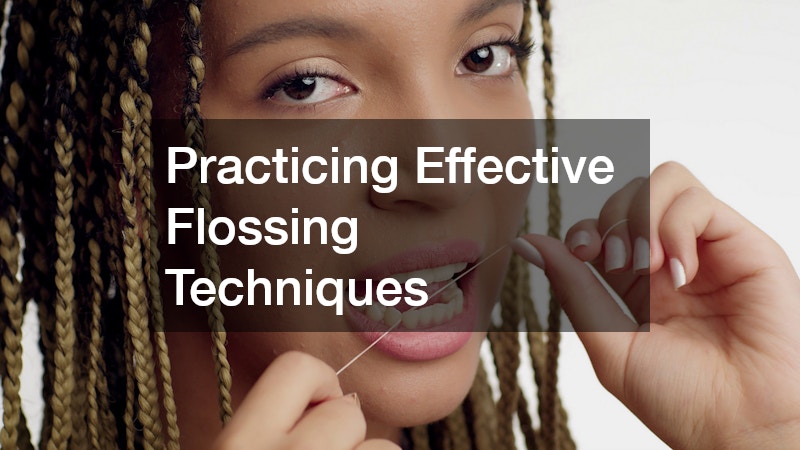
Flossing is a critical component of oral hygiene that complements brushing by targeting areas that toothbrushes cannot reach. Food particles and plaque often accumulate between teeth and beneath the gumline, where bacteria can thrive if left undisturbed. Without regular flossing, these areas can become inflamed, increasing the risk of gum disease and decay. Incorporating flossing into daily routines helps maintain cleaner teeth and supports overall gum health.
More specifically, effective flossing contributes to smoother dental exams by reducing signs of irritation and plaque buildup. Proper technique involves gently guiding the floss between teeth and curving it along the tooth surface rather than snapping it into place. This approach cleans thoroughly while protecting the gums from injury. Over time, consistent flossing helps identify changes in gum sensitivity or bleeding, which can signal early concerns. Addressing these signs early allows for simpler solutions and helps prevent the progression of more serious issues that may require extensive treatment.
Limiting Sugary and Acidic Foods
Diet plays a powerful role in oral health, particularly when it comes to sugar and acid consumption. Sugary foods feed bacteria that produce acids, while acidic beverages can weaken enamel directly. Frequent exposure to these substances increases the risk of cavities, erosion, and discoloration. Being mindful of dietary choices helps protect teeth from damage and supports a healthier oral environment overall. On a more detailed level, reducing sugar and acid intake helps preserve the results of teeth whitening by minimizing new stains and enamel wear. Dark-colored beverages, sweets, and acidic snacks can quickly dull a bright smile if consumed regularly. Rinsing with water after consuming these items and choosing tooth-friendly alternatives can reduce their impact. Making small dietary adjustments not only supports appearance but also strengthens enamel and lowers the likelihood of future restorative procedures. Over time, these choices contribute to both oral health and cost savings.
Staying Hydrated to Support Oral Health
Hydration plays an often-overlooked role in maintaining a healthy mouth, yet it directly affects how well teeth and gums are protected throughout the day. Saliva is essential for neutralizing acids, washing away food particles, and limiting bacterial growth. When the body is dehydrated, saliva production decreases, creating a dry environment where bacteria can thrive. This can lead to increased plaque buildup, bad breath, and a higher risk of tooth decay and gum irritation. Drinking enough water consistently helps support the mouth’s natural defenses and keeps oral tissues functioning properly.
More specifically, staying hydrated supports the preventive guidance commonly emphasized by a dentist, particularly for individuals prone to dry mouth or frequent snacking. Water helps rinse the mouth between meals, reducing the amount of sugar and acid left on tooth surfaces. Choosing water over sugary or acidic beverages also minimizes enamel erosion and staining. For those who experience dry mouth due to medication or lifestyle factors, regular hydration can ease discomfort and lower the risk of cavities. Making water intake a daily priority is a simple habit that contributes to long-term oral health and helps reduce the likelihood of needing restorative treatments.
Scheduling Regular Dental Visits
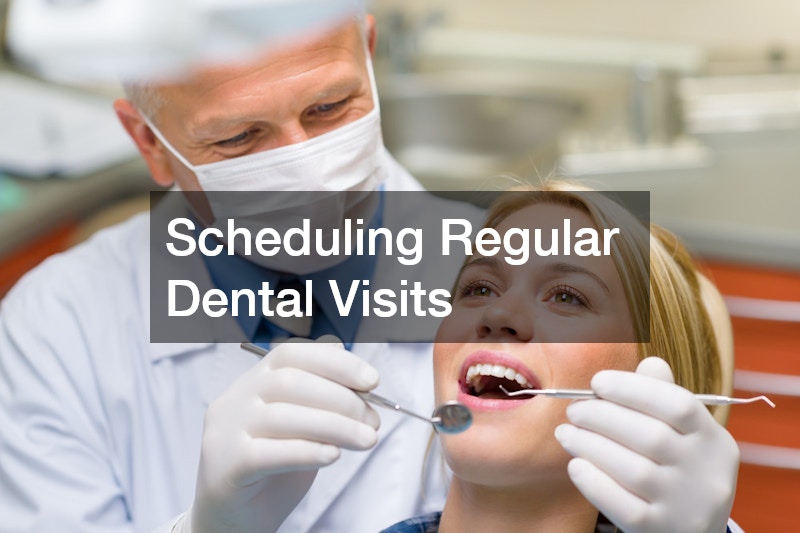
Routine dental visits are a key component of preventive oral health care. Even with strong daily habits, professional oversight is necessary to identify issues that are not visible or painful in their early stages. Regular appointments allow dental professionals to monitor changes in tooth structure, gum health, and bite alignment over time. These visits help prevent minor concerns from developing into serious problems that require extensive treatment. Consistent checkups also reinforce healthy habits by providing guidance tailored to individual needs.
On a more detailed level, scheduling routine visits with local cosmetic dentists can offer both preventive and aesthetic benefits. Professional cleanings remove hardened plaque that brushing and flossing cannot eliminate, while examinations help detect early signs of decay, gum disease, or enamel wear. Cosmetic concerns such as surface stains, uneven edges, or minor chips can also be addressed early, often with simpler solutions. By maintaining a regular visit schedule, individuals reduce the risk of sudden dental emergencies and costly procedures. These appointments support both oral health and appearance, making them a valuable investment in long-term dental wellness.
Recognizing Early Signs of Dental Issues
Identifying dental problems early can significantly reduce treatment complexity and cost. Many oral health issues begin with subtle symptoms that are easy to ignore, such as mild sensitivity, occasional discomfort, or slight gum bleeding. When these signs are overlooked, underlying conditions may worsen and lead to tooth loss or advanced gum disease. Being attentive to changes in the mouth allows individuals to seek care before problems escalate, preserving natural teeth whenever possible.
More specifically, recognizing early warning signs can help avoid the need for solutions like an affordable dental implant by addressing damage before tooth loss occurs. Persistent pain, swelling, loose teeth, or changes in bite alignment should never be dismissed as temporary. Early intervention often involves less invasive procedures, shorter recovery times, and lower overall costs. Paying attention to discomfort, visual changes, or recurring issues encourages timely professional evaluation. This proactive approach not only protects oral health but also helps maintain function and appearance without resorting to extensive restorative treatments.
Protecting Teeth From Grinding and Wear
Tooth grinding and excessive wear can cause serious long-term damage if left unaddressed. Many people grind their teeth unconsciously, often during sleep or periods of stress, which places constant pressure on enamel and jaw muscles. Over time, this repetitive force can lead to flattened teeth, cracks, jaw pain, and increased sensitivity. Wear-related damage may progress gradually, making it difficult to recognize until significant harm has already occurred. Taking steps to protect teeth from grinding helps preserve their structure and prevents avoidable complications.
More specifically, unmanaged grinding can contribute to tooth loss, increasing the likelihood of advanced solutions such as four-on-four dental implants. Preventive measures like wearing a night guard, managing stress, and addressing bite alignment issues can significantly reduce damage. Early detection of grinding patterns allows for intervention before enamel erosion becomes severe. Protecting teeth from excessive wear not only preserves comfort and function but also reduces the risk of invasive restorative procedures that can be costly and time-intensive.
Supporting Healthy Smiles From an Early Age

Establishing strong oral hygiene habits early in life lays the groundwork for long-term dental health. Children who learn proper brushing, flossing, and dietary habits are more likely to maintain healthy teeth into adulthood. Early education helps normalize dental care and reduces anxiety around dental visits. By focusing on prevention from a young age, families can help children avoid many common issues such as cavities, gum inflammation, and enamel damage.
On a more detailed level, pediatric dentistry emphasizes age-appropriate care that supports both physical development and positive experiences. Regular monitoring of tooth growth, bite alignment, and oral habits allows concerns to be addressed before they become serious. Guidance on brushing techniques, fluoride use, and nutrition helps parents support healthy routines at home. Early intervention reduces the likelihood of complex treatments later in life, reinforcing the importance of preventive care throughout every stage of development.
Simple dental hygiene habits play a powerful role in preventing expensive and invasive treatments over time. Many dental problems develop gradually, often without obvious symptoms in their early stages. By focusing on consistent daily routines, mindful dietary choices, and proactive awareness, individuals can significantly reduce their risk of long-term oral health issues. Preventive care is not about perfection but about maintaining habits that support teeth and gums day after day.
Taking a proactive approach to oral health also leads to greater comfort, confidence, and financial savings. Small efforts, such as proper brushing, flossing, and recognizing early warning signs, help preserve natural teeth and avoid unnecessary procedures. When combined with professional guidance and routine oversight, these habits create a strong foundation for lifelong oral health. By prioritizing prevention, individuals can protect their smiles while minimizing the need for costly dental interventions in the future.