Missing teeth can affect more than just appearance. They can also impact how a person eats, speaks, and maintains overall oral health. When a tooth is lost, the surrounding bone can begin to weaken over time, and nearby teeth may shift out of position. This can lead to additional dental complications if not addressed properly. As a result, many people look for long-term solutions that restore both function and confidence.
Modern dentistry offers several replacement options, but not all solutions provide the same level of stability or longevity. Some treatments focus on temporary improvements, while others are designed to replicate the strength and appearance of natural teeth. Understanding these options is important for anyone considering tooth replacement, as each approach has its own benefits, limitations, and suitability depending on individual needs.
Understanding Tooth Replacement Options
There are several ways to replace missing teeth, and each method varies in structure, durability, and cost. Traditional dentures, for example, are removable appliances that replace multiple teeth at once. While they are often more affordable, they may require adjustments over time and can sometimes feel less stable during daily activities such as eating or speaking.
Dental bridges are another common solution. These rely on adjacent teeth for support and are fixed in place, offering more stability than removable options. However, they may require the alteration of healthy teeth to serve as anchors, which is a consideration for many patients.
For individuals seeking a more permanent solution, advanced restorative treatments are often recommended. A dental implant is designed to replace both the root and crown of a missing tooth, creating a more natural and stable result compared to other options. This makes it one of the most effective long-term solutions available in modern dentistry.
How the Treatment Process Works
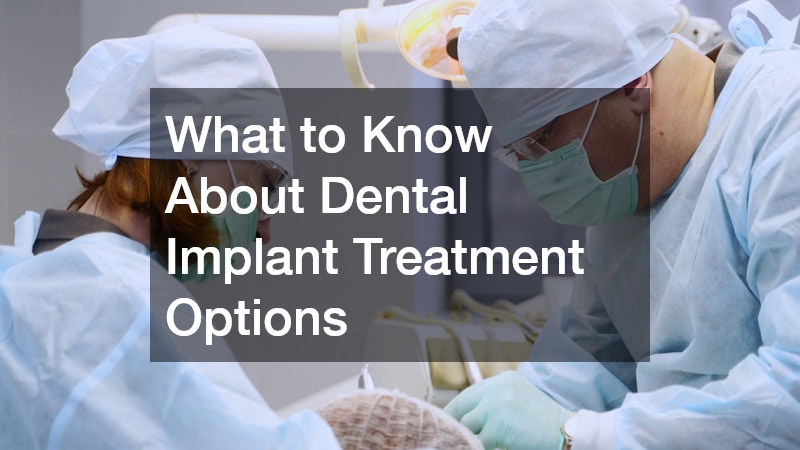
The process of replacing a missing tooth involves multiple stages, each designed to ensure stability and long-term success. It typically begins with a thorough dental evaluation, including X-rays or 3D imaging, to assess bone structure and overall oral health. This helps determine whether a patient is a suitable candidate for treatment.
If approved, the next step involves placing a small titanium post into the jawbone. This post acts as an artificial root and gradually integrates with the bone through a process called osseointegration. Over time, this creates a strong and stable foundation for the replacement tooth.
Once healing is complete, a custom-made crown is attached to the post, restoring both function and appearance. This final restoration is designed to blend seamlessly with natural teeth. A dental implant provides a long-term solution that closely mimics the look and feel of a real tooth, making it a preferred choice for many patients.
Benefits of Long-Term Tooth Replacement
One of the most significant advantages of advanced tooth replacement solutions is their durability. Unlike removable dentures, which may need frequent adjustments or replacements, these treatments are designed to last for many years with proper care. This makes them a cost-effective option over time.
Another key benefit is improved oral function. Patients can chew and speak more comfortably, without worrying about shifting or slipping. This can have a positive impact on daily life and overall confidence.
In addition, maintaining jawbone health is an important factor. When a tooth is missing, the surrounding bone can begin to deteriorate. A dental implant helps stimulate the bone, reducing the risk of bone loss and maintaining facial structure. This contributes to both oral health and aesthetic appearance over the long term.
Factors to Consider Before Treatment
While modern tooth replacement options offer many benefits, there are several factors to consider before beginning treatment. Overall oral health plays a major role, as healthy gums and sufficient bone density are often required for successful outcomes. In some cases, additional procedures such as bone grafting may be necessary.
Lifestyle habits can also influence results. Smoking, for example, can slow healing and increase the risk of complications. Maintaining good oral hygiene is essential for long-term success, including regular brushing, flossing, and dental checkups.
Cost is another important consideration. While advanced treatments may have a higher initial investment compared to other options, their longevity and durability often make them more economical over time. Patients should discuss all available options with a dental professional to determine the best approach for their needs.
Comparing Long-Term Solutions
When evaluating tooth replacement options, it is helpful to compare durability, comfort, and maintenance requirements. Removable dentures may be suitable for short-term needs, but they often require adjustments and can become less stable over time. Bridges offer a fixed solution but may involve altering healthy teeth.
In contrast, advanced restorative treatments provide a more permanent and natural-feeling alternative. A dental implant stands out due to its ability to function like a natural tooth while preserving surrounding bone structure. This combination of strength, stability, and aesthetics makes it a preferred choice for many patients seeking long-term results.
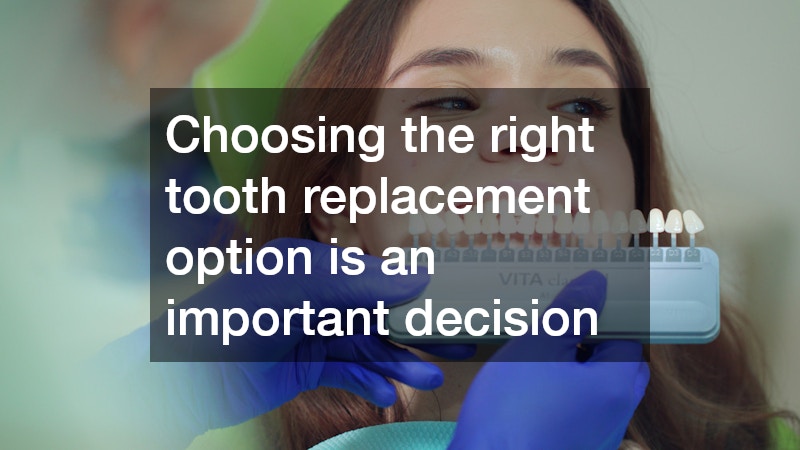
Choosing the right tooth replacement option is an important decision that can significantly impact oral health, comfort, and confidence. With several treatments available, understanding the differences between them helps patients make informed choices based on their individual needs and goals.
From removable solutions to fixed restorations, each option offers unique benefits. However, for those seeking a long-lasting and natural-feeling solution, modern advancements provide highly effective results. With proper evaluation, treatment planning, and aftercare, patients can achieve improved oral function and a restored smile that lasts for years.
Ultimately, a dental implant offers a reliable and durable approach to replacing missing teeth, helping individuals regain both function and confidence in their everyday lives.