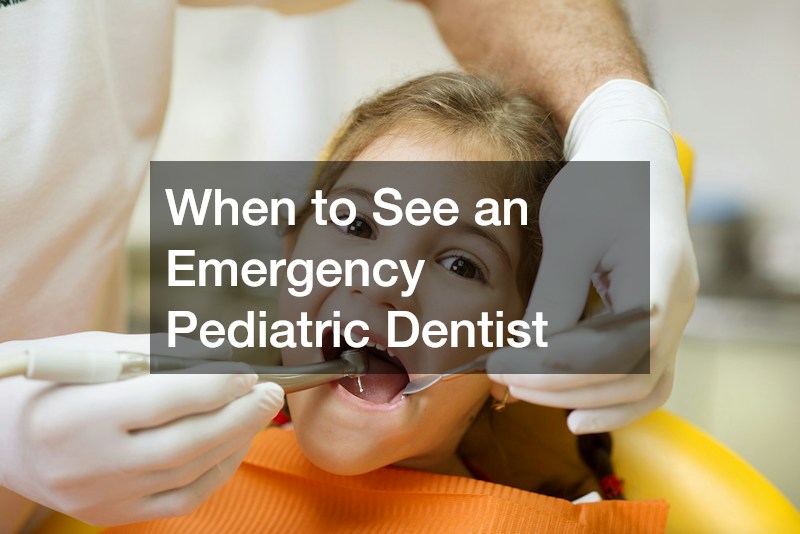
Dental emergencies can happen when parents least expect them. A child may fall while playing, chip a tooth during sports, or suddenly complain about severe tooth pain. Knowing how to respond can help parents stay calm and determine when professional care is necessary. While some dental concerns can wait for a regularly scheduled appointment, others require prompt attention to protect a child’s teeth and prevent complications. An emergency pediatric dentist can evaluate urgent dental concerns and provide treatment suited to a child’s age, development, and needs.
Understanding the signs of a dental emergency can make it easier to determine when to seek immediate care. Parents should pay attention to symptoms such as significant pain, bleeding, swelling, or damage to a tooth.
Even when an injury does not appear severe, a dental evaluation may be appropriate because some problems are not immediately visible. Knowing what situations require prompt attention can help families make informed decisions when an unexpected dental problem occurs.
Severe or Persistent Tooth Pain
Tooth pain is one of the most common reasons children may need urgent dental attention. Mild discomfort caused by temporary sensitivity may not require immediate care, but significant or persistent pain can indicate a more serious problem. Cavities, infections, damaged fillings, or injuries can all contribute to dental pain.
Parents should pay attention if a child has difficulty eating, sleeping, or participating in normal activities because of tooth discomfort. Pain that continues despite basic comfort measures may also warrant prompt evaluation. Children may have difficulty describing exactly where their pain originates, so an examination can help identify the underlying cause.
Sudden pain accompanied by swelling, fever, or sensitivity to hot and cold may be particularly concerning. These symptoms can sometimes occur with an infection, which may require timely treatment. Waiting too long could allow the underlying issue to become more complicated.
A Chipped, Cracked, or Broken Tooth
A chipped tooth may not always constitute an emergency, but significant damage deserves prompt attention. A crack or break can expose sensitive portions of a tooth and cause pain when the child bites or drinks. Larger fractures may also leave sharp edges that can irritate the tongue or cheeks.
After an injury, parents can look for visible pieces of the tooth and bring them to the dental appointment if possible. A cold compress applied to the outside of the mouth can help with swelling following an injury. Children should also avoid chewing on the affected side until the tooth has been evaluated.
A professional examination can determine whether the damage involves only the outer portion of the tooth or extends deeper. Treatment may range from smoothing a minor chip to restoring a more substantial fracture.
Significant Bleeding or Swelling
Bleeding and swelling can accompany several types of dental injuries. A small amount of bleeding after an injury to the gums may not be unusual, but bleeding that does not stop with gentle pressure should receive prompt attention.
Swelling around the gums, jaw, or face can also indicate a problem that requires treatment. In some cases, swelling is associated with an infection. Facial swelling can become more serious if it spreads or affects the child’s ability to swallow or breathe.
When swelling is severe or accompanied by difficulty breathing or swallowing, parents should seek emergency medical care immediately. These symptoms can represent a broader medical emergency rather than an issue that should wait for a dental appointment.
Signs of a Possible Dental Infection
Dental infections can cause pain, swelling, sensitivity, and changes around the gums. Children may also develop a fever or have difficulty eating when an infection is present. A small pimple-like bump on the gums can sometimes indicate an infection near the root of a tooth.
These symptoms should not be ignored. An infection may worsen without appropriate treatment, potentially affecting surrounding tissues. Parents who notice facial swelling, significant pain, fever, or other concerning symptoms should contact an emergency pediatric dentist for guidance about the next step.
Parents should also avoid placing aspirin directly on a child’s gums or attempting to drain an area of swelling themselves. These actions can cause additional irritation or injury.
Preparing for an Unexpected Dental Emergency
Families can take a few simple steps to prepare for dental emergencies before they occur. Parents should keep their child’s dental provider contact information readily available and know where to seek care outside normal office hours. A basic first-aid kit can also be useful for managing minor injuries while professional help is being arranged.
For children involved in sports, keeping a properly fitted mouthguard available can provide an added layer of protection. Parents can also talk with children about avoiding habits that may increase the risk of broken teeth, such as chewing on hard objects.
If a serious injury occurs, staying calm and seeking professional guidance promptly can help parents respond effectively. Knowing the difference between a minor dental concern and a situation requiring urgent care can make an unexpected event easier to manage.
Dental emergencies can range from severe toothaches and infections to broken, displaced, or knocked-out teeth. Recognizing warning signs can help parents determine when their child needs prompt professional attention. Significant pain, uncontrolled bleeding, facial swelling, serious tooth damage, and injuries involving permanent teeth should not be ignored.
When an urgent dental problem occurs, an emergency pediatric dentist can assess the child’s condition and recommend appropriate treatment. Parents should also seek immediate medical care when a dental injury is accompanied by difficulty breathing, difficulty swallowing, loss of consciousness, or another potentially serious medical symptom.
Being prepared can make dental emergencies less stressful for both parents and children. Keeping important contact information accessible, using protective equipment during sports, and knowing which symptoms require prompt attention can help families respond appropriately when dental problems arise.